Therapy for Teens
Therapy gives teens a place to explore their emotions, experiences, and identity with a therapist who listens, understands, and helps them make sense of what they’re feeling.
Common concerns we support include:
We integrate modalities such as:

Teaching children how to recognize, name, and manage big feelings.
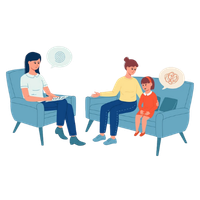
Helping kids understand thoughts, feelings, and behaviors in a simple, child-friendly way.
Teaching children how to recognize, name, and manage big feelings.

Regular check-ins to support you with tools for home, school, and daily routines.
Respecting each child’s wiring, strengths, sensory needs, and communication style.

Seeing challenges not as “problems to fix,” but as opportunities to strengthen connection and understanding.
We begin by learning about your concerns, goals, and your teen’s strengths.
We meet one-on-one with your teen in a relaxed, supportive environment. Sessions may involve talking, creativity, skill-building, or activities to help them open up.
We update you on progress, offer tools for home, and ensure everyone feels supported, while respecting your teen’s privacy.
Teens often experience improved self-esteem, communication, emotional regulation, and resilience.
Your teen deserves a space where they can feel safe, heard, and understood, and you deserve support, too.Let’s help them build emotional resilience, confidence, and healthier relationships.
Yes. Parents play an essential role. We provide regular updates and guidance, while protecting your teen’s privacy so they feel comfortable opening up.
This is extremely common. We help teens feel safe and in control of the process, and many end up enjoying therapy once they see it’s supportive, not judgmental.
Mostly yes. Teens need privacy to build trust. However, we share important safety concerns or themes that help parents support their child effectively.
Yes. Many teens actually prefer teletherapy. We also offer in-person sessions at our Lisle/Naperville office.
Absolutely. We offer affirming, identity-safe therapy for teens exploring gender, sexuality, culture, or personal identity.
Yes. We offer neurodiversity-affirming support for emotional regulation, executive functioning, sensory needs, and communication skills.